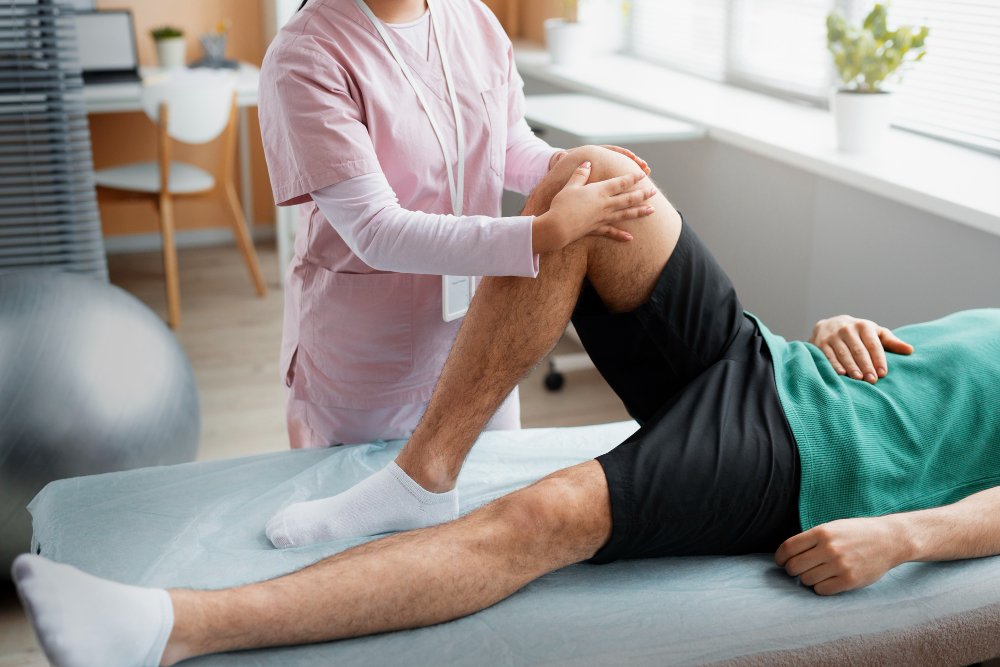
As one of the most demanding tasks in life, overcoming a neurological disorder is also an opportunity to take part in a journey that has the potential to create opportunities. Modern developments in rehabilitation techniques, technology and tailoring the treatment to the individual patient have increased opportunities for people today to become mobile, more independent and improve their quality of life. In 2026, Neurological Rehabilitation is more extensive than ever, not only to aid in physical rehabilitation but also to assist in the process of regaining confidence and the ability to function in daily activities.
The right rehab program can make all the difference to those who have suffered a stroke, those who have multiple sclerosis, those who are recovering from a stroke or those that have suffered a spinal cord injury. We feel that each of our patients deserves to receive individualised treatment at our rehabilitation facility that will meet their needs and goals for recovery.
What is Neurological Rehabilitation?
Neurological Rehabilitation is a specialised healthcare program that assists patients to recover from an illness affecting the brain, spinal cord and nervous system. They may affect mobility, balance, co-ordination, speech, strength, sensation and thinking.
The objectives of rehabilitation are not only to restore physical function but to maximise independence, minimise disability and assist the patient to return to meaningful activities of daily living.
Today’s Neurological rehab utilises evidence-based treatment methods and individual patient plans to ensure the best treatment outcomes.
Who Can Benefit from Neurological Rehabilitation?
Structured neurological rehabilitation is needed to restore function and improve the quality of life for many neurological conditions. No two patients will be the same, making individualised care a crucial element in each patient’s recovery journey.
The rehabilitation process can help alleviate the effects of stroke and restore function, balance, speech and coordination. The treatment for Parkinson’s may need to be continued to enhance mobility, posture and walking. People who have MS frequently require medication to control fatigue and maintain their strength and independence.
Those who have suffered a spinal cord injury often need to go through a long period of rehabilitation to help them learn to move around and adjust to the alterations in their physical ability. Likewise, those who have suffered traumatic brain injuries (TBI) have been found to respond well to a combination of therapies for physical, cognitive and communication impairments.
Children who have cerebral palsy, adults who have neuropathy, and people who have undergone brain surgery can also benefit from Comprehensive Neurological Rehabilitation Treatment.
Why Early Rehabilitation Matters
An important breakthrough in rehabilitation has been the increasing focus on early interventions.
As a rule, the early initiation of rehabilitation has a positive effect on the recovery process. Early therapy stimulates the nervous system and promotes the brain’s neuroplasticity, or the formation of new pathways.
Early treatment with Neurological Therapy will increase the likelihood of moving better, fewer complications, and regaining independence.
Early rehabilitation will also help you to avoid any muscle weakness, joint stiffness, loss of balance and loss of mobility that could result from sitting for a prolonged period.
The Role of Neuro Physiotherapy
Neuro Physiotherapy is one of the key aspects of neurological rehabilitation.
This special branch of physiotherapy is used to help restore movement and physical function following a neurological injury or disease. Treatment is customised to the person’s symptoms and recovery goals and their condition.
Before designing an individual rehabilitation program, a neuro physiotherapist will assess muscle strength, coordination, posture, walking ability, balance, flexibility and functional movement.
Over time, patients can improve their mobility, confidence and their ability to function in daily life through regular treatment.
How Neurological Physiotherapy Supports Recovery
Neurological Physiotherapy deals with a lot of physical phenomena affecting neurological disorders.
Patients may find that one side of their body is weak, that they have difficulties co-ordinating movement, that their muscle tone is stiff or that their movements are abnormal, or that they suffer from a lack of balance. Physiotherapy involves retraining the body using focused exercises and/or repetition of functional movements.
Therapists will closely connect with patients to help them improve their posture, enhance flexibility, strengthen muscles and enhance walking ability. Exercises are gradually progressed as treatment goes on to promote increasing independence and confidence.
Each session will focus on recovery, but moving with the patient’s changing abilities.
Neurological Therapy Goes Beyond Physical Recovery
Complete recovery from neurological conditions is far more than about improving movement.
Other patients have difficulties communicating, swallowing, remembering, concentrating, feeling emotional and doing regular activities.
Modern Neurological Therapy unites several healthcare professionals to deal with all these needs.
An occupational therapist can assist patients to become independent in performing their daily activities, including dressing, cooking, writing and personal care. Speech therapists are involved with communication problems and swallowing problems, which are common following a neurological injury.
The multi-disciplinary background enables patients to be cared for as a whole, and thus to have all aspects of their recovery together.
Balance and Gait Training
One of the most important objectives of many neurological patients is walking safely.
Problems with the nervous system are common and can cause poor balance, decreased coordination and a higher likelihood of falling. Patients develop better walking patterns and stability with specialised gait training while developing better posture.
Balance exercises, walking practice, obstacle training and assistive devices can be used as needed by therapists.
With increasing confidence, patients may be able to increase their independence at home and in the community.
Strength and Functional Training
Neurological injury often results in muscle weakness.
Rehabilitation programs incorporate progressive strengthening exercises that assist in restoring muscle function without causing too much tiredness. The functional training exercises are based on daily patient activities, including getting up from a chair, up the stairs, reaching to objects and walking safely.
These activities are repeated to retrain the nervous system and to boost confidence in life.
Neurological Rehabilitation Treatment is highly effective in enhancing long-term independence, using this practical approach.
Pain Management During Rehabilitation
Chronic pain, muscle tightness or spasticity is linked with many neurological disorders.
Avoiding pain is crucial to successful rehabilitation. Different methods such as stretching, manual therapy, positioning, mobility exercises and therapeutic modalities can be used to help alleviate pain and enhance movement.
Early treatment of pain may help patients to engage more fully in treatment and maximise rehabilitation results.
Modern Neurological Rehabilitation in 2026
The field of rehabilitation has undergone many changes in the last decade.
Many rehab facilities incorporate the latest advancements in technology and conventional therapy methods in 2026. Virtual reality training and robotic-assisted rehabilitation, balance training systems and digital movement analysis are used to create treatment experiences which are engaging and very individual.
The innovations enable therapists to precisely track improvement and tailor treatment plans to each patient’s recovery.
While technology helps, the most critical piece to any rehabilitation is the experience and skills of the therapists working with the patient, and their knowledge of the challenges specific to the patient.
Personalised Care Makes the Difference
Each neurological problem is different.
Patients who have the same diagnosis can have varying symptoms, strengths and recovery objectives. This is the reason it is crucial to use individual care in successful Neurological rehabilitation services.
In our rehabilitation centre, we have a comprehensive evaluation of every patient before treatment. From this assessment, we formulate a plan of rehabilitation which enables us to help improve mobility, strength, coordination, balance and function.
Progress checks are frequent, and treatment is continually adapted as the patient progresses.
Supporting Families Throughout Recovery
Rehabilitation following neurological events may well include the whole family.
Caregivers are a critical resource to help patients during the rehabilitation process. Educators are able to educate the families about the condition, teach the safe mobility skills, and encourage the family to continue progress at home.
We have incorporated a rehabilitation team that not only works with patients but also with their caregivers and will guide them beyond the therapy sessions.
Together, this can help to foster a positive space and promote long-term recovery.
Why Choose Our Rehabilitation Centre?
The decision on which rehabilitation provider to choose is a crucial part of the recovery process.
In the rehabilitation centre, we provide neurological rehabilitation services to each patient according to his/her needs. They have a highly qualified multidisciplinary team who can provide a holistic approach to care, including: Neuro Physiotherapy, Neurological Physiotherapy, occupational therapy, speech therapy and functional rehabilitation.
We don’t just believe in treating the symptoms; we believe in successful rehabilitation. We strive to empower our patients to regain their confidence, achieve their independence and live their best lives through caring and evidence-based care.
We work with modern rehabilitation techniques and treat each individual with a patient-centred approach to gain their maximum recovery potential.
A neurological condition recovery process demands commitment, the direction of a specialist and a unique treatment approach. Thankfully, today there are advances in Neurological Rehabilitation which allow for recovery to be more effective than ever before. Patients can have better mobility, and gain independence and a better quality of life by specialised Neuro Physiotherapy, comprehensive Neurological Therapy and individualised Neurorehabilitation Treatment.
No matter if you or someone close to you has suffered a stroke, has Parkinson’s, multiple sclerosis, or is a spinal cord or brain-injured individual, professional rehabilitation can help make a difference.
Our rehabilitation centre is dedicated to delivering high-end Neurological rehabilitation services that help with all aspects of recovery. Call us now and make the first step towards a better and more independent tomorrow.